Peripheral Nerve Stimulation (PNS)
Peripheral Nerve Stimulation (PNS)
Advanced, Minimally Invasive Treatment for Chronic Pain
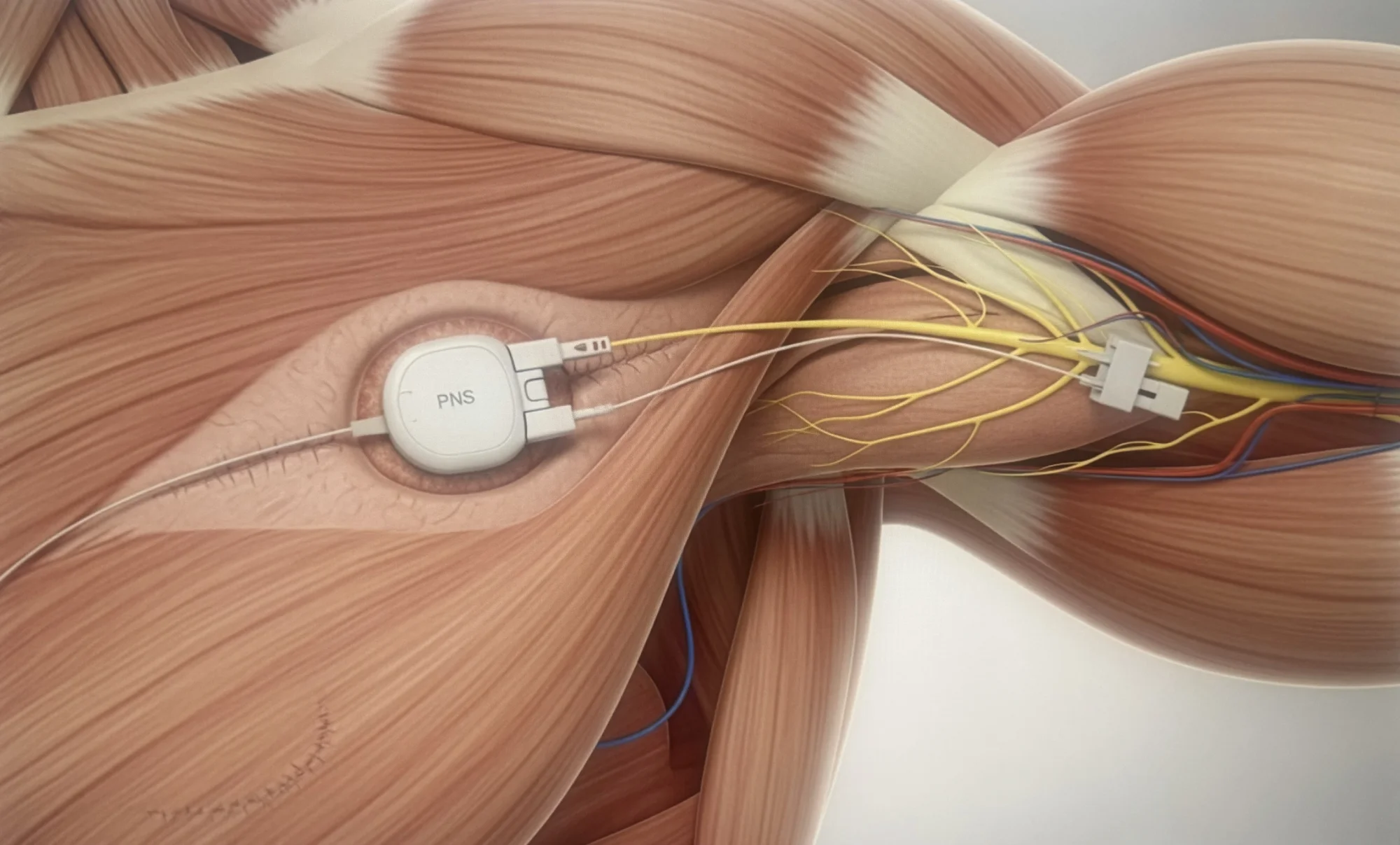
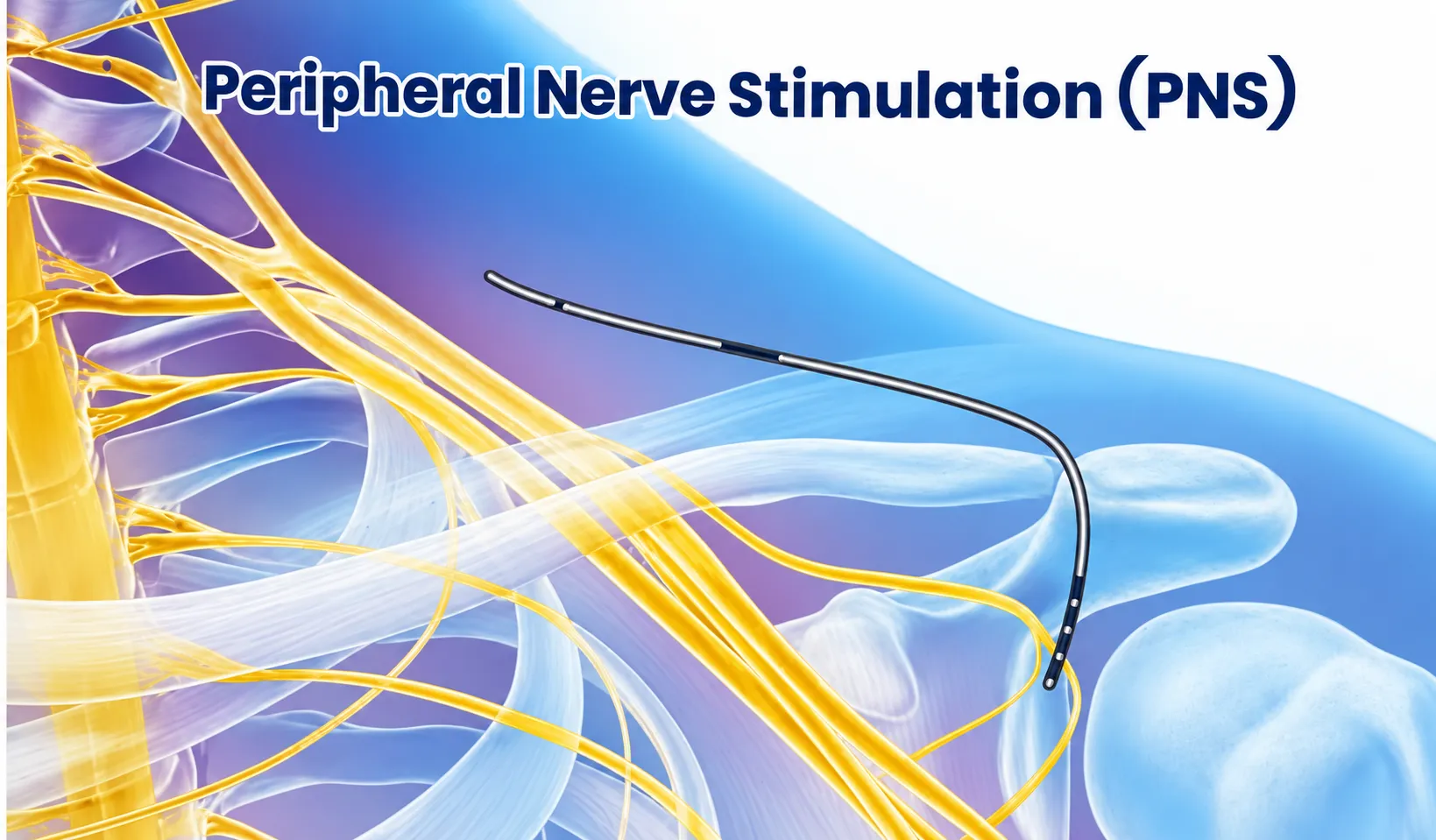
Peripheral Nerve Stimulation (PNS) is an advanced, minimally invasive treatment designed to help manage certain types of chronic pain by delivering gentle electrical stimulation to a targeted peripheral nerve. Rather than intentionally destroying or ablating the nerve, PNS works by modulating pain signals traveling through the nervous system.
At Nona Spine and Pain Institute, Peripheral Nerve Stimulation may be considered for carefully selected patients who continue to experience pain despite medications, physical therapy, injections, or other conservative treatments.
How Does Peripheral Nerve Stimulation Work?
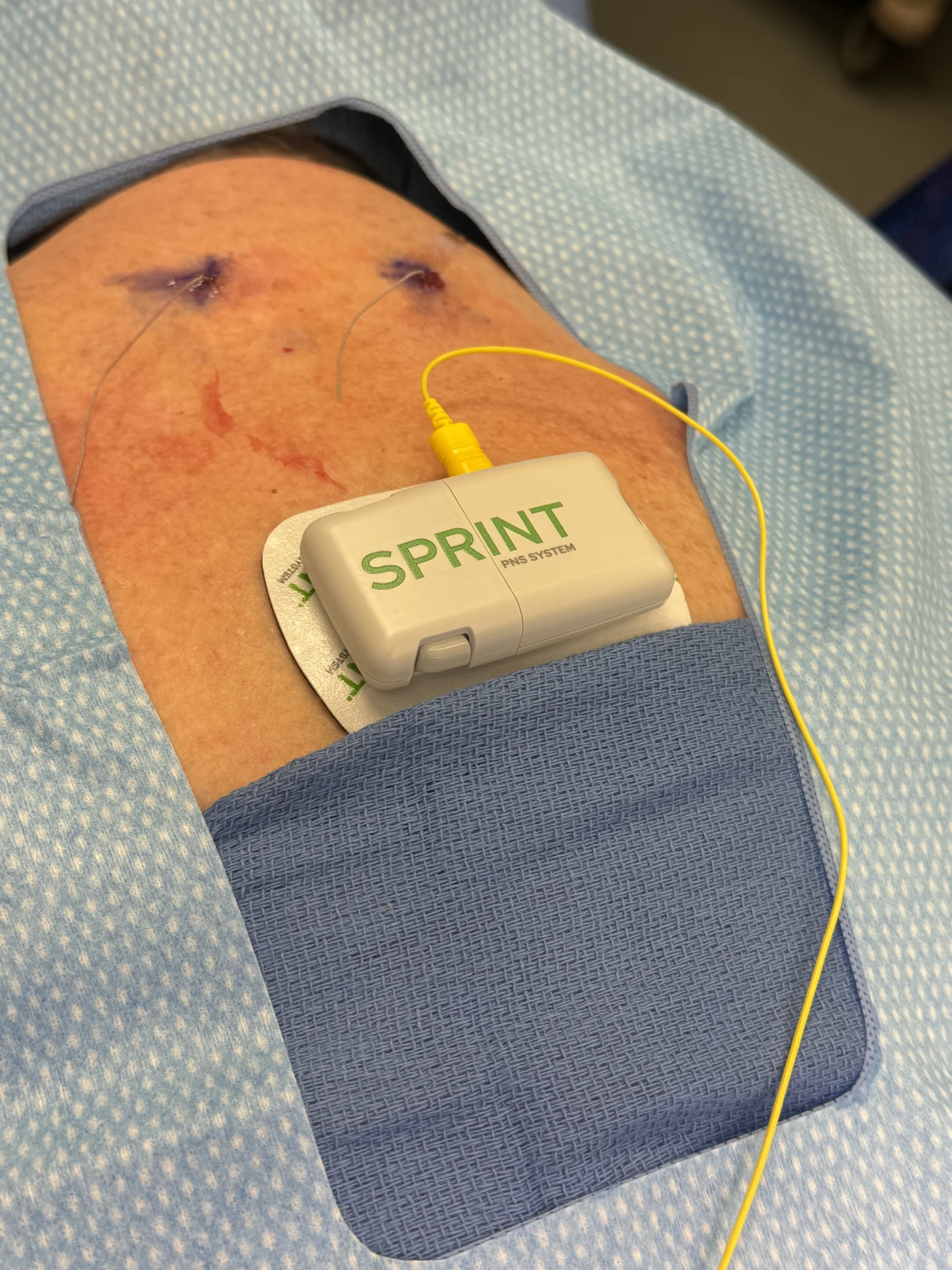
Peripheral nerves carry sensory information, including pain signals, from different areas of the body toward the spinal cord and brain. With PNS, a very small electrical lead is positioned near the nerve associated with the painful area.
The system delivers mild electrical stimulation that alters how pain signals are processed by the nervous system. The goal is to reduce pain while preserving the nerve and its normal function.
Depending on the specific PNS system and the patient's condition, treatment may involve a temporary system used for a defined treatment period or a longer-term implanted system.
What Conditions May Be Treated With PNS?
Peripheral Nerve Stimulation may be considered for selected patients with:
- Chronic shoulder pain
- Chronic knee pain
- Hip or groin pain
- Foot and ankle pain
- Certain types of neck or low-back pain
- Peripheral neuralgia and neuropathic pain
- Post-surgical pain
- Post-traumatic nerve pain
- Complex Regional Pain Syndrome (CRPS)
- Certain headache and occipital neuralgia syndromes
- Persistent pain after joint replacement or other orthopedic procedures
Whether PNS is appropriate depends on the underlying cause of the pain and the specific nerve involved.
PNS vs. Nerve Ablation
Traditional radiofrequency ablation reduces pain by creating a controlled lesion in selected sensory nerve tissue. Peripheral Nerve Stimulation takes a different approach.
Instead of intentionally disrupting the nerve, PNS uses neuromodulation to influence pain signaling while preserving the targeted nerve. For appropriately selected patients, this may provide another treatment option when injections, medications, rehabilitation, or other therapies have not produced sufficient relief.
Neither treatment is appropriate for every patient. A comprehensive evaluation helps determine which approach is most suitable.
Potential Benefits of Peripheral Nerve Stimulation
Depending on the patient's diagnosis and response to treatment, potential benefits may include:
- Reduced chronic pain
- Improved physical function and activity
- Improved quality of life
- Reduced reliance on pain medications in some patients
- Minimally invasive treatment
- Targeted therapy directed toward the nerve associated with pain
- Avoidance or postponement of more invasive treatment in selected patients
Individual results vary, and pain relief cannot be guaranteed.
What Happens During the Procedure?
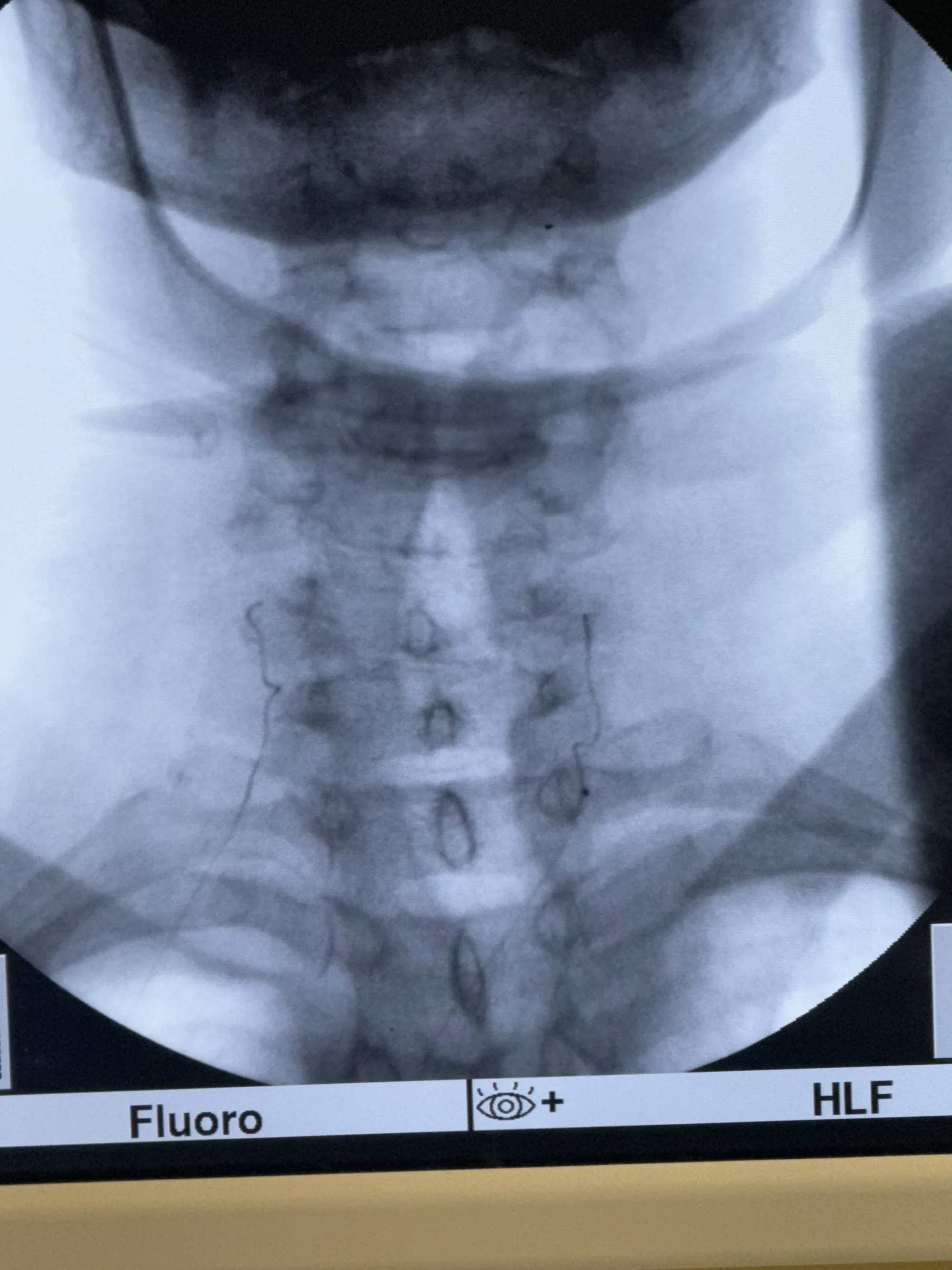
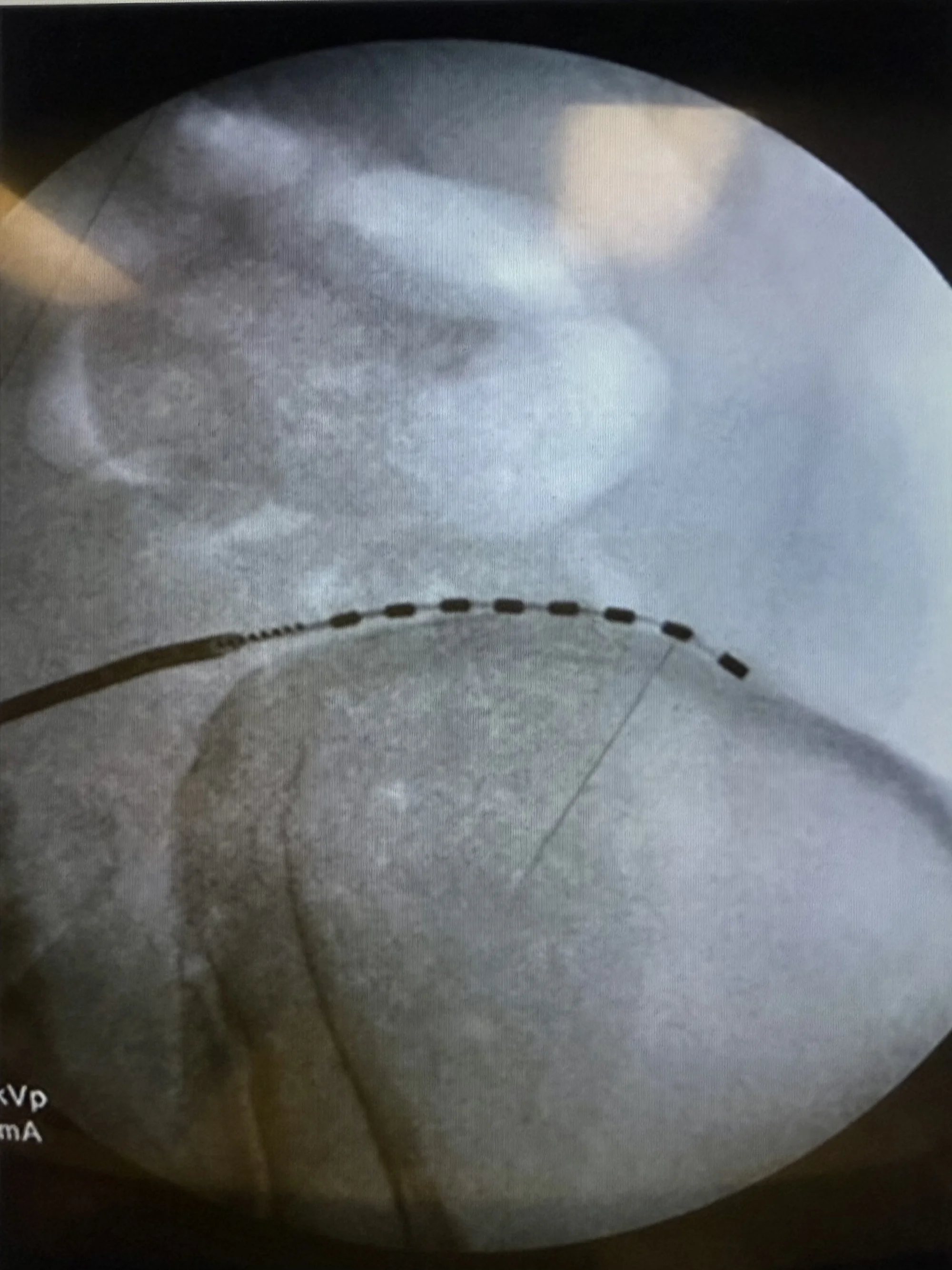
PNS placement is generally performed as a minimally invasive outpatient procedure. Using image guidance, such as ultrasound or fluoroscopy when appropriate, the physician identifies the targeted nerve and carefully positions a small stimulation lead near it.
The lead is then connected to the stimulation system. Patients typically receive instructions regarding device use, activity restrictions, wound care, and follow-up.
The exact procedure varies depending on the nerve being treated and the PNS system selected.
Is Peripheral Nerve Stimulation Right for You?
PNS may be considered when chronic pain continues despite appropriate conservative treatment. Successful treatment begins with identifying the actual source of pain and determining whether a specific peripheral nerve is contributing to the patient's symptoms.
At Nona Spine and Pain Institute, each patient receives an individualized evaluation before PNS is recommended.
Schedule a Consultation
If chronic pain is interfering with your work, sleep, exercise, or everyday activities, Peripheral Nerve Stimulation may be an option worth discussing.
Nona Spine and Pain Institute Bharat C. Patel, MD
Interventional Pain Management | Physical Medicine & Rehabilitation
Contact our office to schedule a consultation and learn whether Peripheral Nerve Stimulation may be appropriate for your condition.
This information is provided for educational purposes and does not replace an individualized medical evaluation. Treatment recommendations, benefits, risks, and outcomes vary depending on the patient's medical condition and clinical circumstances.