
The Rise of Regenerative Medicine: Is Your Body's Own Healing Power the Future of Pain Relief?
September 4, 2026
The Rise of Regenerative Medicine: Is Your Body's Own Healing Power the Future of Pain Relief?
For years, the go-to path for stubborn back, neck, or joint pain looked the same: medication first, then injections, and surgery if nothing else worked. That path is shifting. Across the country, pain and spine specialists are increasingly asking a different question first: not how to mask the pain, but how to help the body heal itself.
That shift is fueling growing interest in regenerative medicine, a category of treatment designed to work with your body's natural repair processes rather than around them.
Chronic pain has a way of narrowing your world. Activities that used to be simple (playing with grandkids, finishing a round of golf, even sleeping through the night) start to feel out of reach.
For a long time, patients in that position were told they had two real options: manage the pain indefinitely with medication or eventually consider surgery. Regenerative medicine has opened up a third path, and it's one more patients are asking about by name.

What Is Regenerative Medicine, and How Does It Work?
Regenerative medicine, sometimes called orthobiologics, uses substances already present in your body (most often concentrated platelets or other healing factors drawn from your own blood) to support tissue repair at the site of an injury or area of chronic wear.
Rather than simply numbing pain signals, these treatments aim to encourage the body's own healing response in damaged tendons, ligaments, joints, or soft tissue.
It's a fundamentally different philosophy than traditional pain management. A steroid injection or pain medication can calm inflammation and dull discomfort, but it doesn't repair the tissue causing the problem. Regenerative treatments are built around the idea that, given the right support, the body already has much of what it needs to heal.
Researchers at institutions like the Mayo Clinic have studied platelet-rich plasma extensively, noting that because the treatment uses a patient's own blood product, it carries a strong safety profile while delivering growth factors critical to tissue repair.
How OrthoBiologics Support the Body's Natural Healing Process
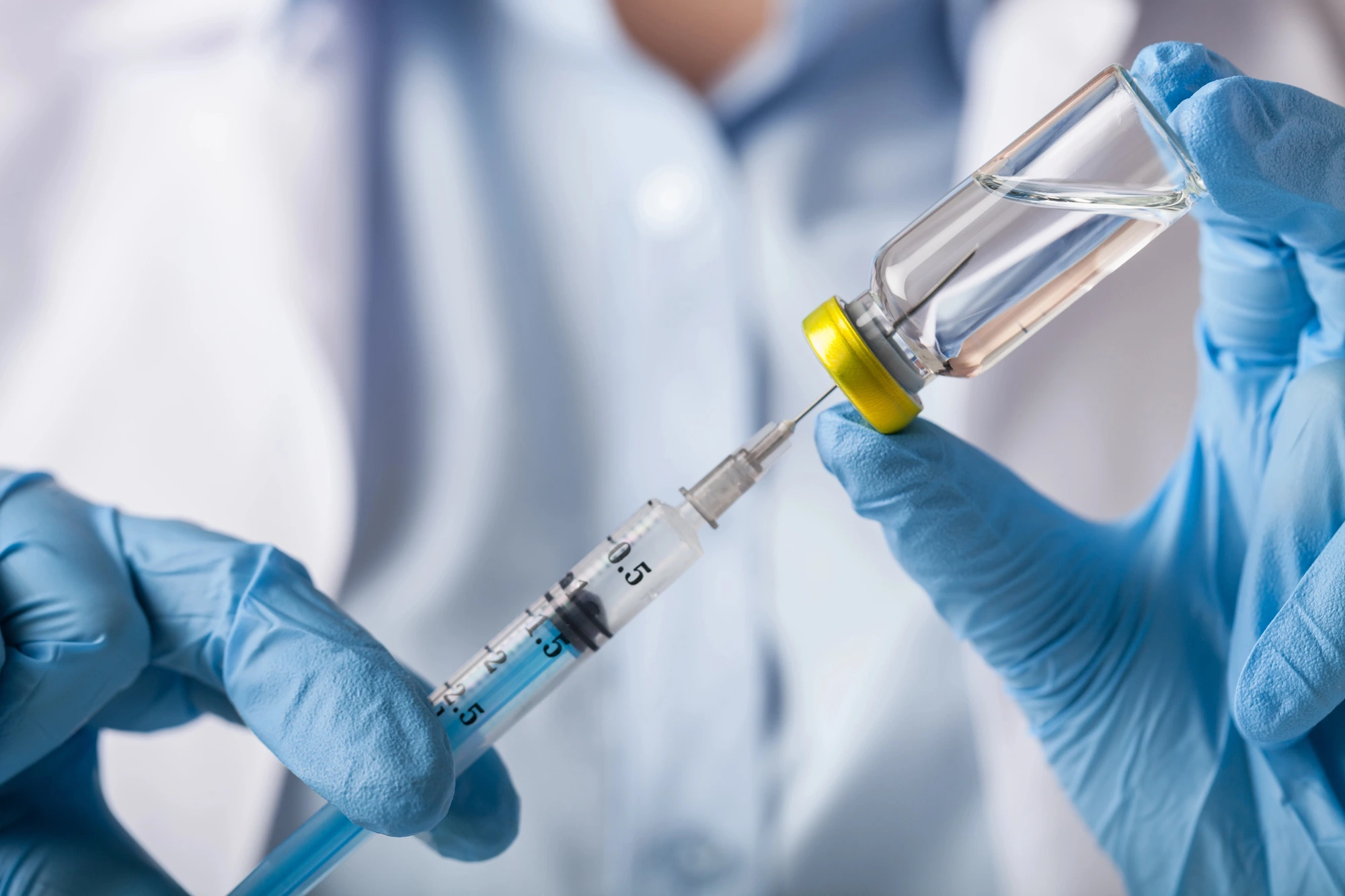
Regenerative treatments are typically performed as a minimally invasive, outpatient procedure. A small sample is drawn, processed to concentrate the healing components, and then precisely delivered to the affected area, often with imaging guidance to ensure accuracy.
There's no incision, no general anesthesia, and typically little to no downtime, which is part of why the approach appeals to patients who want to stay active during recovery rather than put life on hold.
Because the treatment supports the body's own repair process rather than forcing an immediate fix, results tend to build gradually over weeks or months rather than appearing overnight, and treatment is often paired with other therapies such as joint injections or physical therapy for a more complete recovery.
Conditions Regenerative Medicine Can Help
Regenerative medicine isn't a fit for every type of pain, but it's commonly considered a good option for patients dealing with:
- Chronic joint pain in the knees, hips, or shoulders
- Tendon injuries that haven't responded to rest or conservative care
- Ligament damage from overuse or injury
- Certain spine-related conditions contributing to ongoing discomfort
- Soft-tissue pain that has plateaued with standard treatment
If any of these sound familiar, it's worth having a conversation about whether your specific condition is a good candidate before assuming surgery is the only option left on the table.
Why More Patients Are Choosing Regenerative Options Over Surgery
The appeal isn't just the science: it's the trend it represents. Interventional, non-opioid approaches to pain care have been gaining ground as both patients and providers look for treatment paths that reduce reliance on medication and avoid the recovery time that comes with surgery.
Long-term opioid use carries risks of its own, and major surgery isn't something most people want to sign up for if a less invasive option can achieve similar relief.
Recent clinical research has pointed to sustained pain relief and improved function from minimally invasive interventional techniques, reinforcing why so many patients are exploring these options earlier rather than treating them as a last resort.
This shift also reflects a broader change in pain care: rather than a one-size-fits-all protocol, more practices are building individualized plans that combine regenerative therapy, targeted injections, and rehabilitation based on what's actually driving a patient's pain.
For patients who've been told surgery is their only remaining option, regenerative medicine is often part of a broader conversation about avoiding an operating room altogether when a less invasive path fits their condition.
What to Expect During a Regenerative Medicine Evaluation
Every patient's pain has a different source, so a regenerative medicine evaluation starts with a thorough look at your history, imaging, and current symptoms before any treatment plan is built.
From there, your specialist will determine whether regenerative therapy makes sense on its own or as part of a broader plan: for example, layered alongside physical therapy and epidural injections for more comprehensive spine care.
Ongoing musculoskeletal regenerative research continues to refine how these treatments are dosed and delivered, which is part of why an individualized evaluation matters so much.
Frequently Asked Questions
Is regenerative medicine painful?
Most patients report only mild, temporary discomfort similar to a typical injection. Since the treatment uses your own blood-derived components, there's no risk of an allergic reaction to a foreign substance.
How long does it take to see results?
Results vary by patient and condition. Some people notice gradual improvement within a few weeks, while others see continued progress over several months as the body responds to treatment.
Am I a good candidate for regenerative medicine?
Candidacy depends on the source and severity of your pain, your overall health, and what treatments you've already tried. A one-on-one evaluation is the only reliable way to know for sure.
Is regenerative medicine covered by insurance?
Coverage varies by provider and plan. Our team can help you understand your options and estimated costs during your consultation.

Ready to Heal? Connect With Orlando's Pain and Spine Specialists Today
If chronic pain has been holding you back, you don't have to keep choosing between "just live with it" and jumping straight to surgery.
At Nona Spine and Pain Institute, Dr. Bharat C. Patel and our team bring decades of experience helping patients throughout Orlando and Lake Nona find lasting relief through personalized, minimally invasive care, including regenerative medicine.
If you've seen Dr. Patel before, know that this is still his practice, now ready to help you take the next step. Request a consultation today and find out whether regenerative medicine could be the right fit for your pain.