
The DISCSEEL® Procedure in Orlando
When disc-related back or neck pain keeps returning after physical therapy, medication, and epidural injections, it can feel like surgery is the only option left. The DISCSEEL® Procedure in Orlando offers a different path. It is a minimally invasive treatment that treats damaged and herniated discs in the low back and neck by sealing tears in the disc's outer wall.
The DISCSEEL Procedure uses a fibrin sealant that is FDA-approved for other surgical uses. Its use inside the spinal disc is off-label and is not an FDA-approved indication. Off-label use of an approved biologic is legal and common in medicine. The DISCSEEL Procedure is a minimally invasive outpatient procedure. Patients go home the same day.

What Is the DISCSEEL® Procedure?
During the DISCSEEL® Procedure, a physician uses fluoroscopic X-ray guidance to place fibrin, a biologic sealant, into discs that have tears in their outer wall. Sealing those tears gives the body the opportunity to repair them over time.
The DISCSEEL Procedure was invented by Dr. Kevin Pauza. He developed it for people with disc-related back or neck pain who have not found lasting relief from conservative care and want an alternative to spinal fusion or discectomy.

How the DISCSEEL® Procedure Works
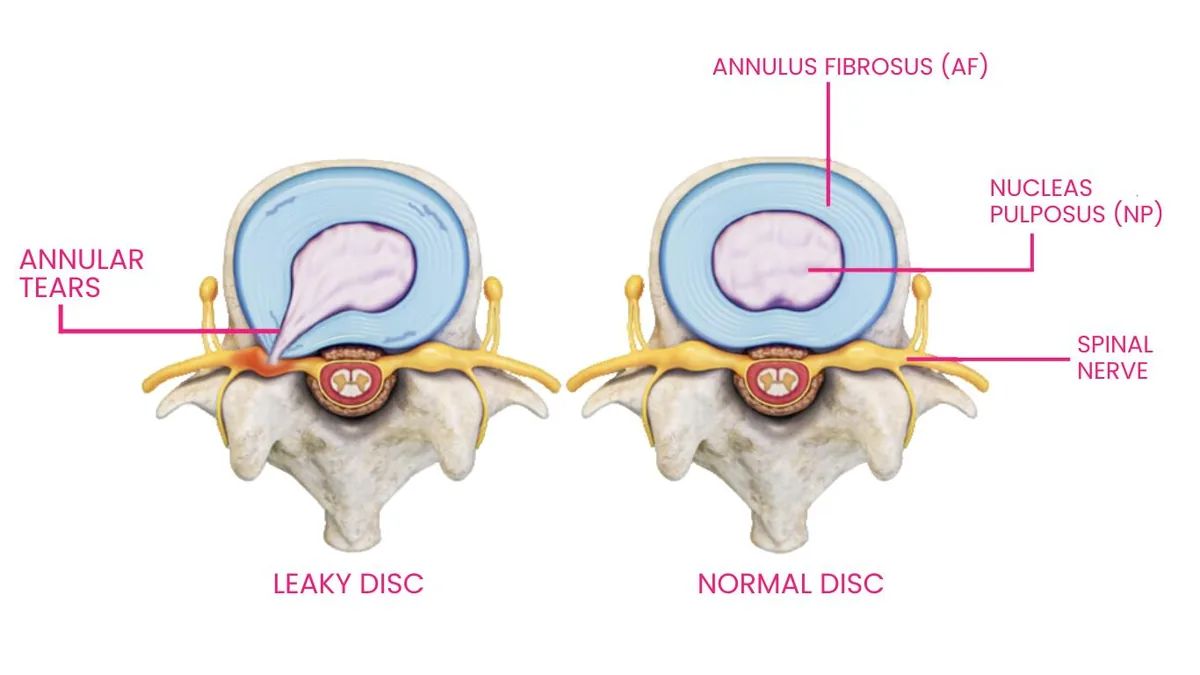
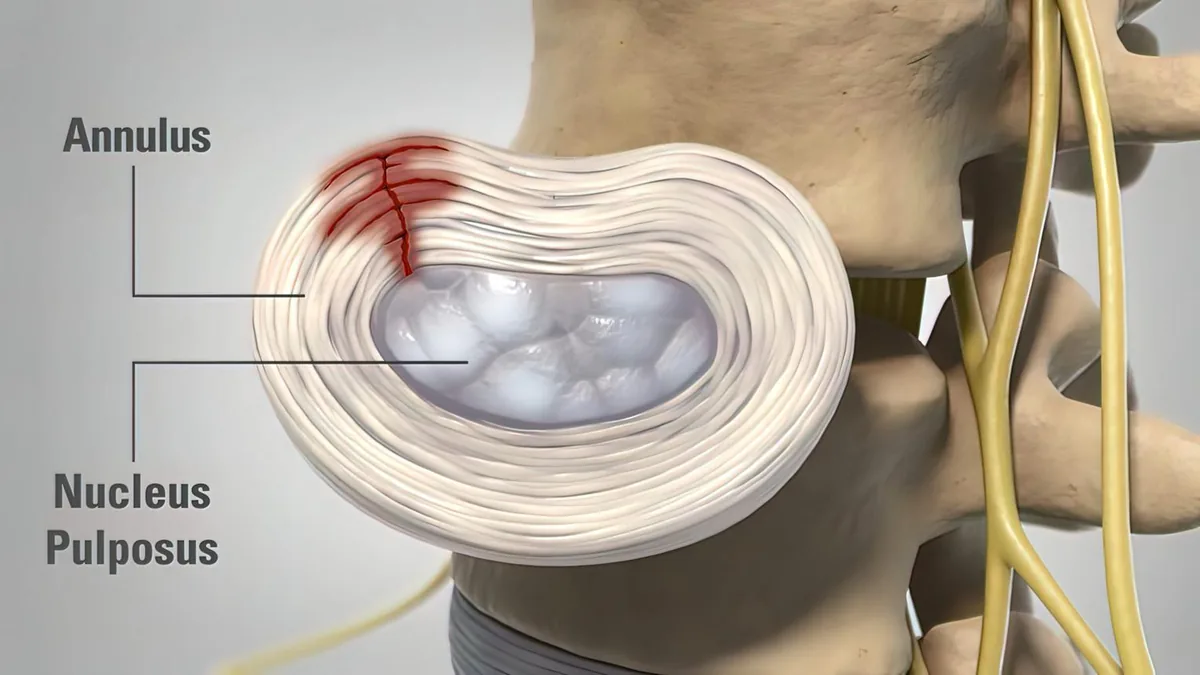
Every spinal disc has two parts: a soft inner core called the nucleus pulposus and a tough outer wall called the annulus fibrosus. When that outer wall tears, inflammatory material from inside the disc can escape and reach pain-sensitive tissue and nearby nerve roots. The result can be back pain, neck pain, sciatica, numbness, or weakness.
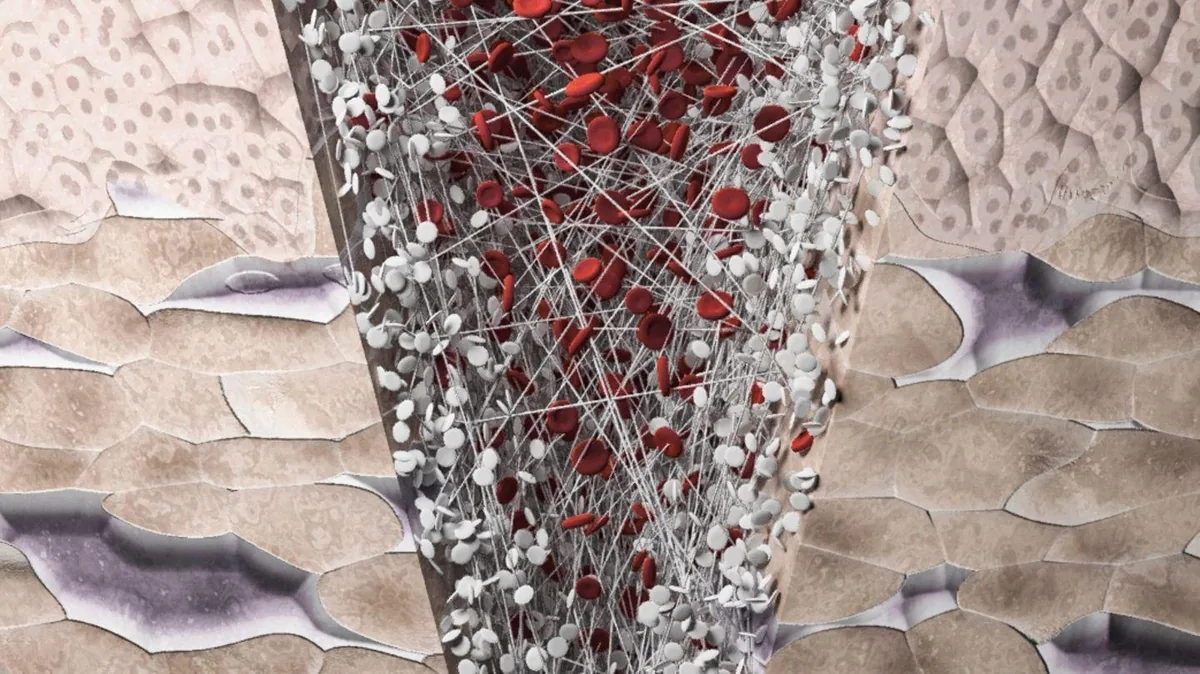
The DISCSEEL® Procedure places fibrin directly into those tears. Fibrin is the same molecule your body lays down at any wound site. It binds to damaged tissue, forms a three-dimensional matrix that seals the defect, and is gradually replaced as new tissue grows into it.
Because spinal discs have very little blood supply, this process is slow, and most patients notice change over months rather than days.
The DISCSEEL Procedure has been studied in peer-reviewed research, including a study published in Pain Physician in 2024. You can read the published studies on the DISCSEEL research page.
What Is an Annular Tear?
An annular tear is a tear in the annulus fibrosus, the outer wall that holds the disc's soft center in place. When the wall tears, that inner material can leak out and irritate the nerves nearby. This can cause back pain, sciatica, numbness, or weakness even when nothing is physically pinching the nerve.
Annular tears are difficult to see on a standard MRI, which is one reason symptoms often don't match what a scan shows. Sealing these tears is exactly what the DISCSEEL® Procedure is designed to do.

Who Is a Candidate for the DISCSEEL® Procedure?
Candidates are usually adults with ongoing back or neck pain traced to one or more damaged discs who have already tried physical therapy, medication, and injections without lasting relief. This may include people with:
- Degenerative disc disease
- Disc bulges and herniations
- Annular tears
- Sciatica
- Symptoms attributed to spinal stenosis
Candidacy is determined by a physician's review of your history, imaging, and prior treatments, and it is usually confirmed by an Annulargram™. People who have previously had fusion, laminectomy, or discectomy are among the most common candidates, since the underlying disc damage often remains after surgery. You can explore other conditions we treat as well.
What to Expect on the Day of Your DISCSEEL® Procedure
You will lie face-down on an X-ray table for the procedure. The physician begins with the Annulargram™, placing contrast mixed with an antibiotic into each disc in the treatment region to locate the tears. Fibrin is then placed into the discs that need sealing.
The entire procedure takes under an hour. Afterward, you rest in recovery before heading home the same day, so plan to have someone drive you.
Recovery After the DISCSEEL® Procedure
Recovery is gradual. Most patients are up and walking within 24 hours. From there, the standard guidance is to build activity back in roughly 10% increments instead of returning to everything at once.
Heavy lifting, high-impact exercise, and sports are on hold for at least six weeks, because the seal and the new tissue growing into it need time. Your physician will walk you through what to expect at each stage.
DISCSEEL® Procedure vs. Spinal Fusion or Discectomy
Fusion and discectomy address disc pain surgically, either by removing tissue or by eliminating motion at the affected segment. The DISCSEEL® Procedure takes a different approach. It is non-surgical and minimally invasive, and it leaves the disc and joint intact. There is no incision, no hardware, and no hospital stay.
It is also important to understand what it does not do. The DISCSEEL Procedure will not decompress a nerve that is being physically crushed, and it is not an option in a neurological emergency.
Meet Your Certified DISCSEEL® Physician
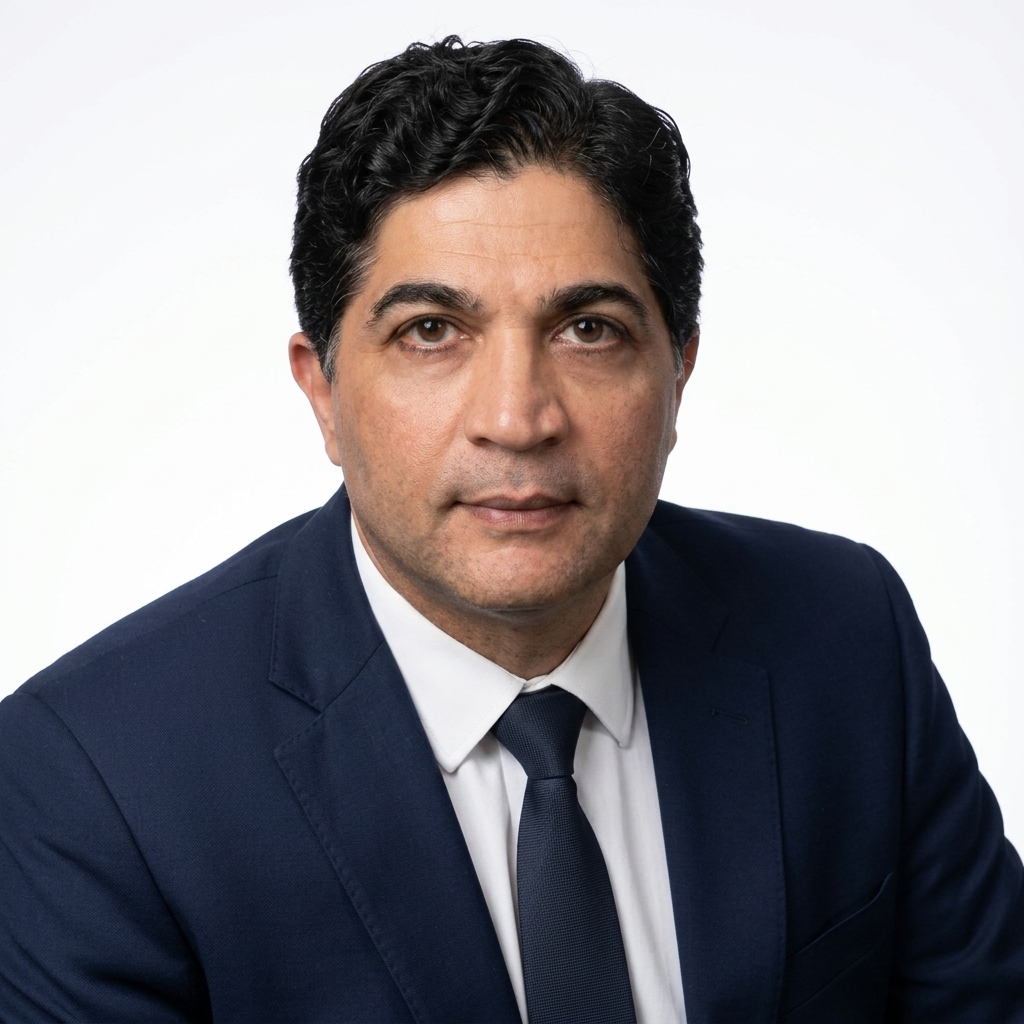
Your evaluation and procedure at Nona Spine and Pain Institute is performed by Dr. Bharat C. Patel, a certified DISCSEEL® physician.
As Founder and CEO of Nona Spine and Pain Institute, Dr. Patel brings more than 25 years of experience in Interventional Pain Management and Physical Medicine and Rehabilitation, including over 50,000 fluoroscopic- and ultrasound-guided procedures.
He is board certified in five specialties: Physical Medicine and Rehabilitation, Pain Medicine, Sports Medicine, Interventional Pain Management, and Electrodiagnostic Medicine. Dr. Patel completed his residency at the NYU School of Medicine and his interventional pain fellowship at the Florida Spine Institute.
He also serves as volunteer faculty at the UCF College of Medicine and the Orlando College of Osteopathic Medicine.
Cost and Insurance for the DISCSEEL® Procedure
The DISCSEEL® Procedure is a self-pay service. Pricing depends on the number of disc levels treated, the diagnostic work required, and the treating location, so it is quoted individually rather than listed.
Pre-tax funds from an HSA, FSA, or HRA can generally be applied, which reduces the effective cost by your marginal tax rate.
Most health insurance plans do not cover the DISCSEEL Procedure, since insurers generally classify it as investigational. Because coverage decisions are made plan by plan, it is worth contacting your insurer directly and getting their answer in writing. Visit our financial and insurance information page for more details.
Frequently Asked Questions
Will I be awake during the DISCSEEL® Procedure?
You'll receive mild sedation, so you'll stay comfortable throughout the procedure without being placed under general anesthesia.
Can I have the DISCSEEL® Procedure if I've already had back surgery?
Yes. People who have had fusion, laminectomy, or discectomy are among the most common candidates. Your evaluation will include your operative reports, post-operative imaging, and a recent MRI.
Why isn't an MRI enough to tell if I'm a candidate?
MRI findings often don't line up with which disc is actually producing your symptoms. That is why candidacy is based on a full review of your history, imaging, and prior treatments, and is usually confirmed with an Annulargram™.
Is it normal for symptoms to change after treatment?
Yes. It is common to have increased or different symptoms for a period after treatment before improvement begins. Your physician will let you know what to expect.
Can I still have surgery later if I choose the DISCSEEL® Procedure?
Yes. Having the DISCSEEL® Procedure does not take surgery off the table in the future.
Stop Living Around Disc Pain: Explore the DISCSEEL® Procedure in Orlando
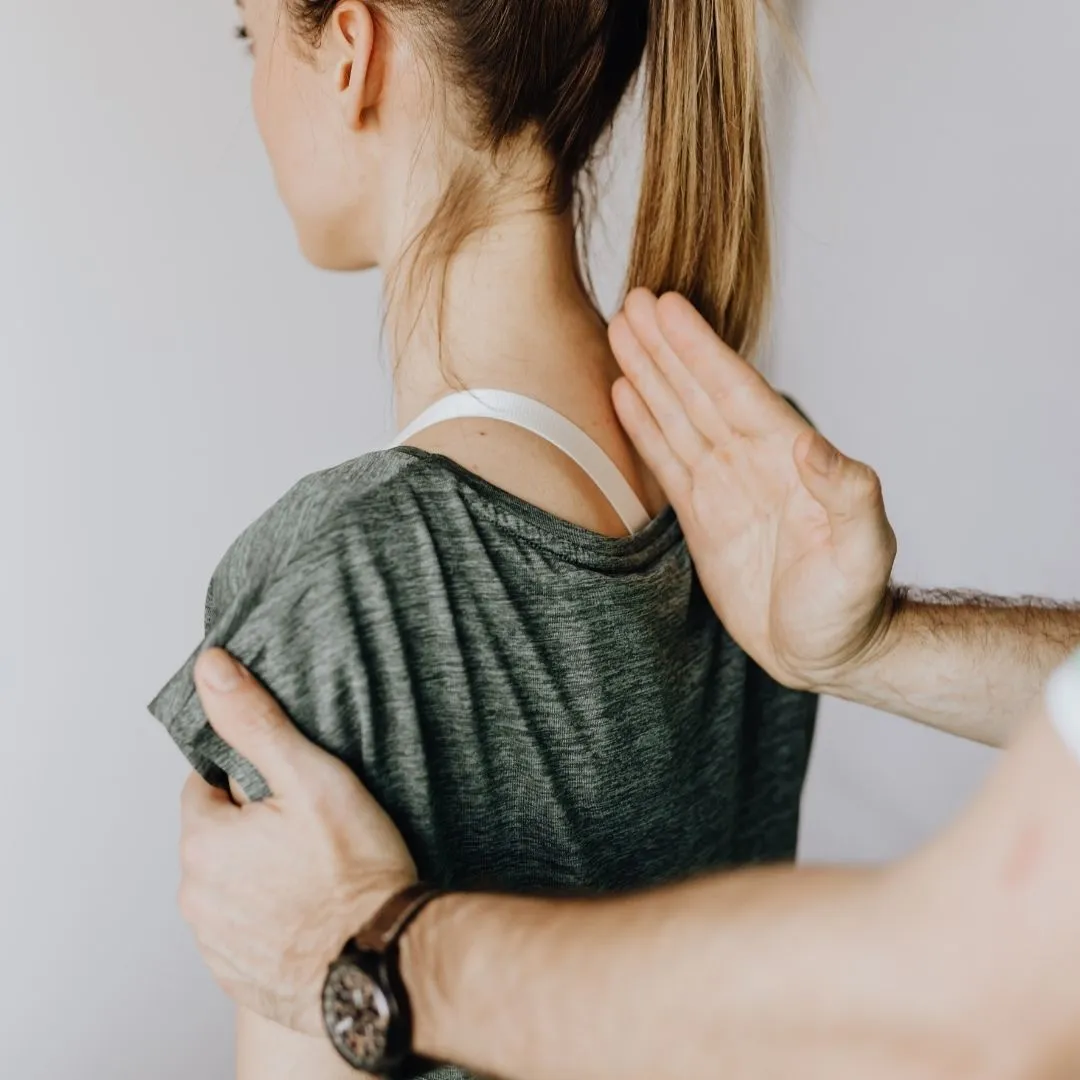
Your back shouldn't decide how you work, sleep, or spend your weekends. Dr. Bharat C. Patel will review your history, imaging, and past treatments to find out whether the DISCSEEL® Procedure is the right next step for you.
If you were one of Dr. Patel's patients before, you've found him: he now cares for patients at Nona Spine and Pain Institute and would be glad to see you again. Contact us today or call 407-326-6898 to schedule your consultation.